The real limit
Water, heat, exposed soil and time for care.
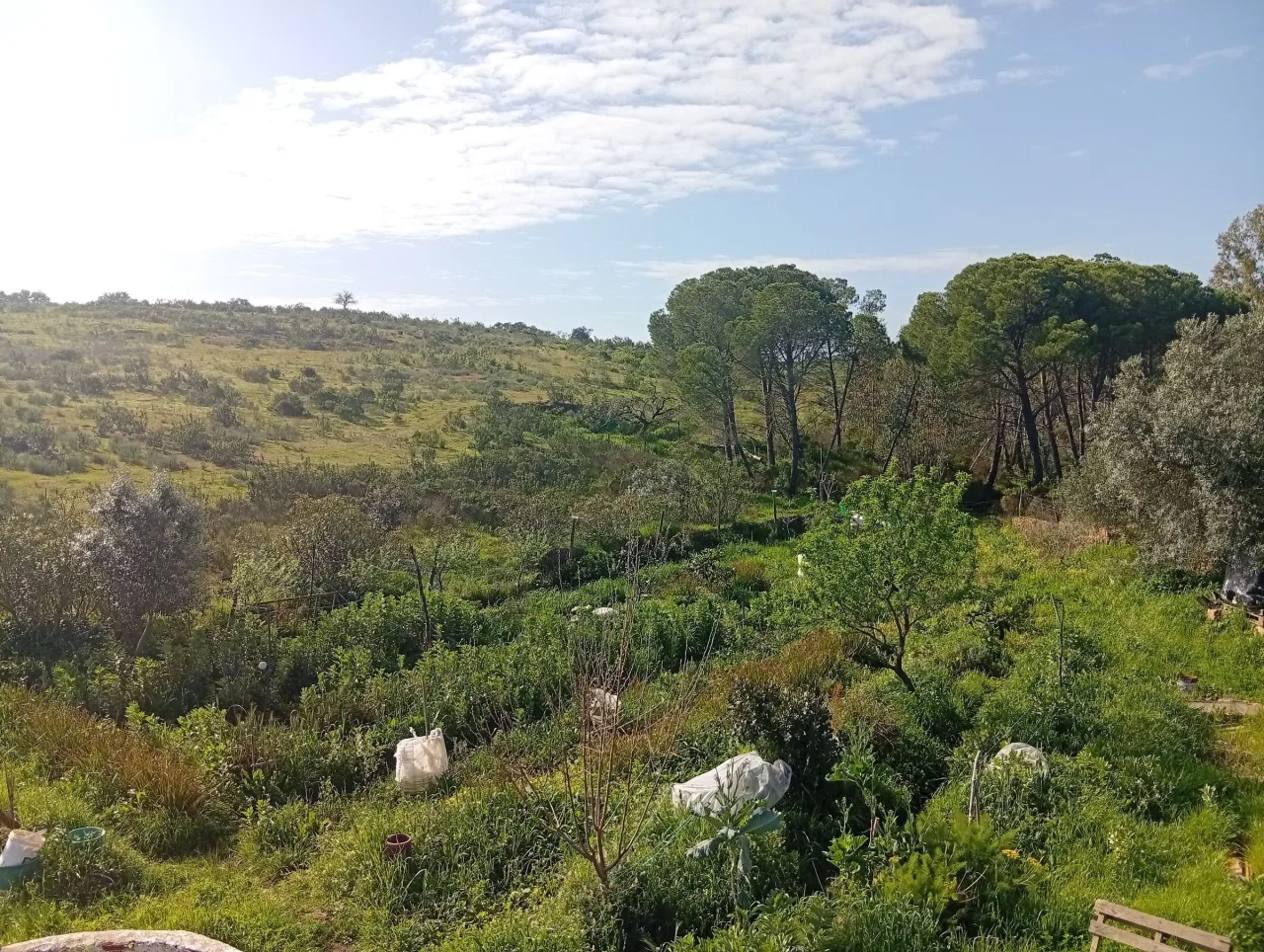
The land does not start from ideal conditions. Water is limited, summer is hard and every decision needs to respect the time available to observe, water and correct. This is a process under observation, not a ready-made promise.
See what is happening now →Now in the field
Energy
Batteries
Syntropy
Species
Field energy
Rainfall
Recent field records
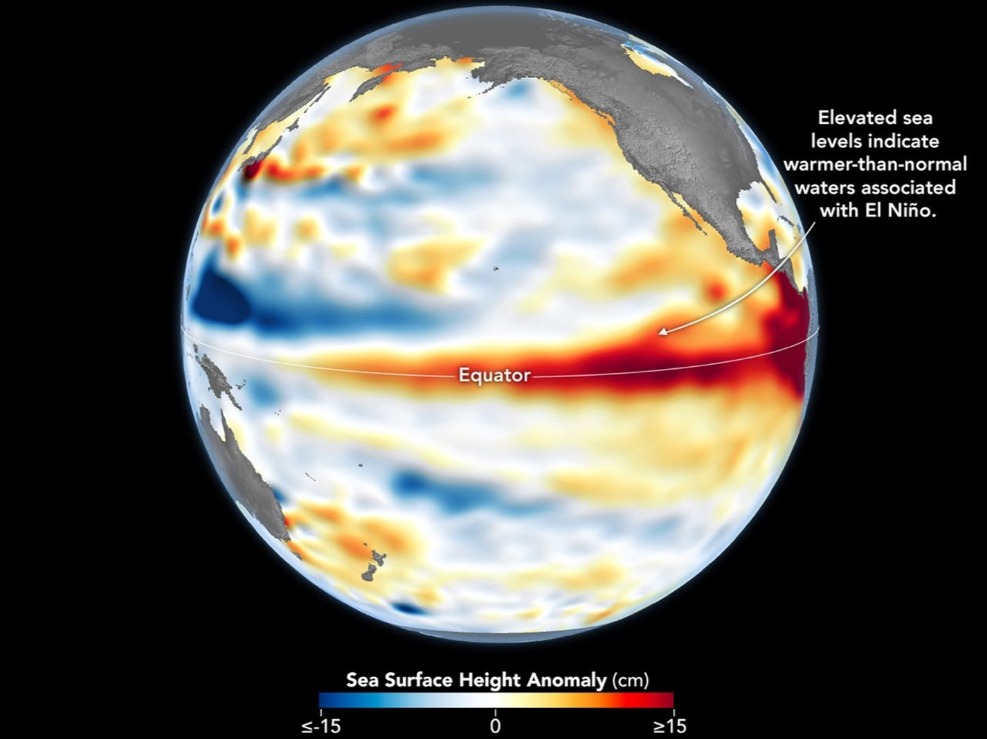
El Niño e o seu impacto no Alentejo
El Niño e o seu impacto no Alentejo
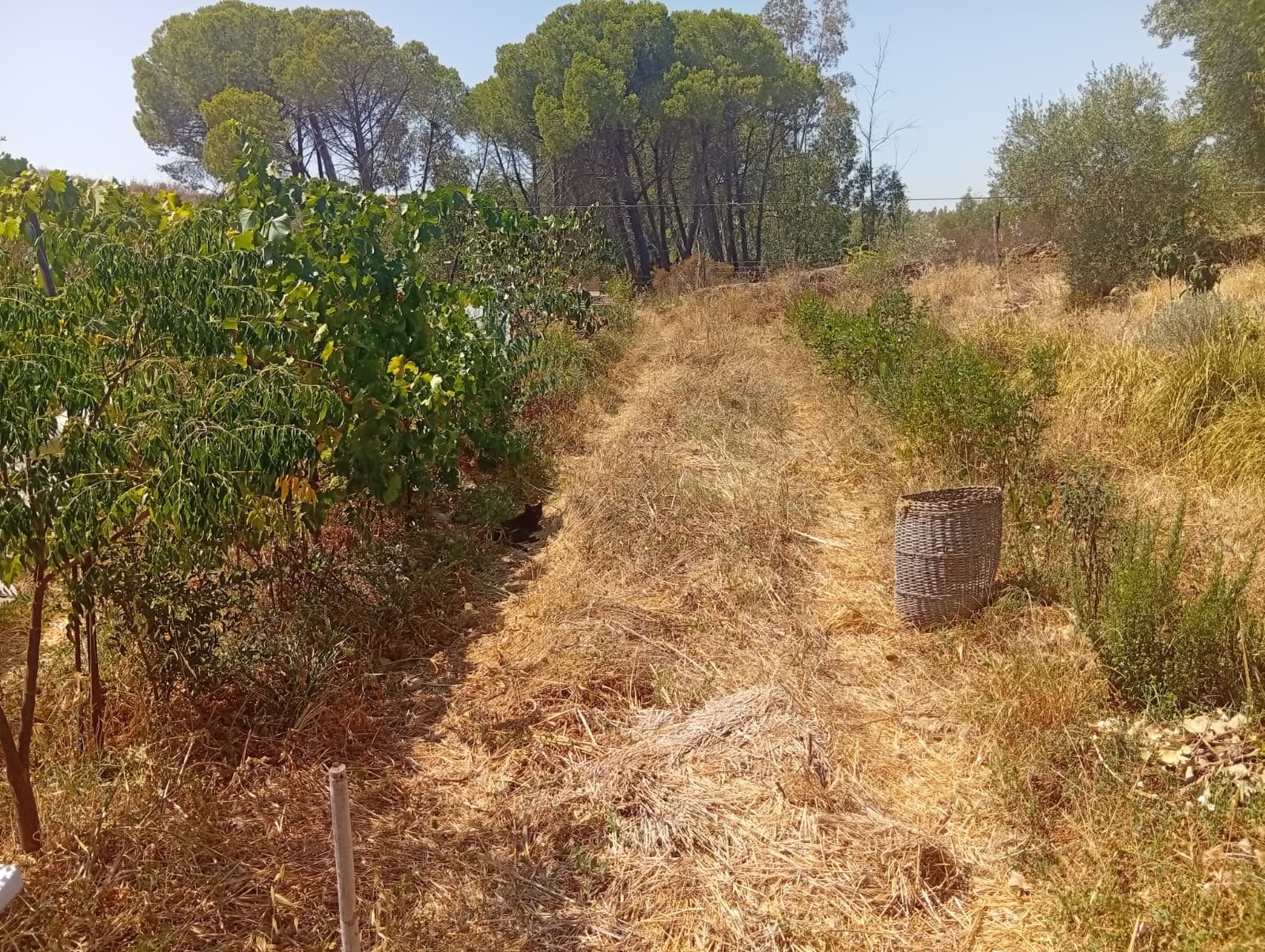
Quando a água acaba: por que a horta ficou para trás em Mértola
Registo de campo · Agosto de 2026 · Mértola
Mudanças climáticas e práticas agrícolas um checkmate para os ecosistemas
What I follow
Wild Alentejo is a personal project of daily care on a plot in Mértola. Across about 900 m², I observe how agroforestry, ground cover and careful resource management can build more resilience in a semi-arid, off-grid setting.
I bring together solar energy, careful water management, biomass and species diversity to learn, over time, what actually suits this land.
I use syntropic-agriculture principles with off-grid energy support. Solar power helps me manage water during critical periods; the rest is seasonal care: protecting soil, following plants, replacing losses and adjusting choices without assuming irrigation needs will disappear.
- ✔Energy autonomy — Solar energy used carefully to manage water and field tasks.
- ✔Solar exposure — A 140° SE orientation to make better use of the available solar energy.
- ✔Syntropy — Succession, cover and biomass to test microclimates and soil responses.
- ✔Monitoring — Local sensors followed in Home Assistant, with context and limits shown.
What I am learning
Soil responds slowly
On this land, with low organic matter and hard conditions, each season reveals something different. Species, ground cover and management aim to reduce soil exposure; what works and what fails is recorded in the field.
There is no ready-made promise. There is observation, failures, replacement and water decisions that I keep adjusting over time.